Choosing the right furniture for your office is essential for productivity, comfort, and overall workplace efficiency. Among the most critical decisions is selecting between workstation tables and traditional desks. Both have their advantages, but understanding their differences can help you make an informed choice that suits your office needs.
Understanding Workstation Tables
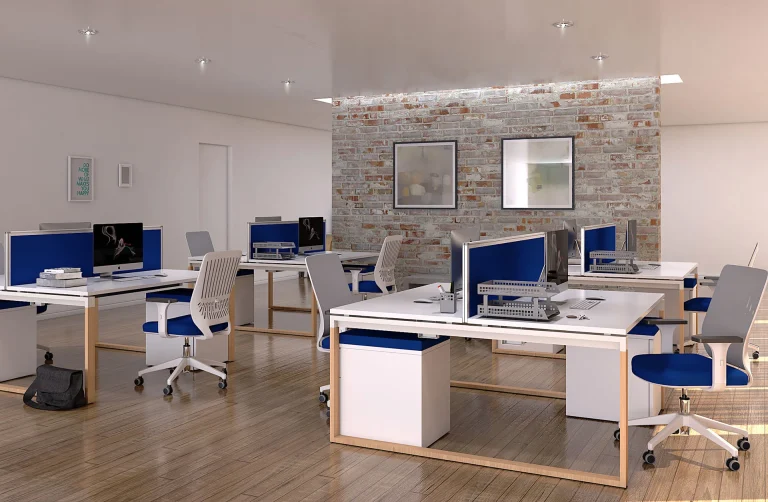
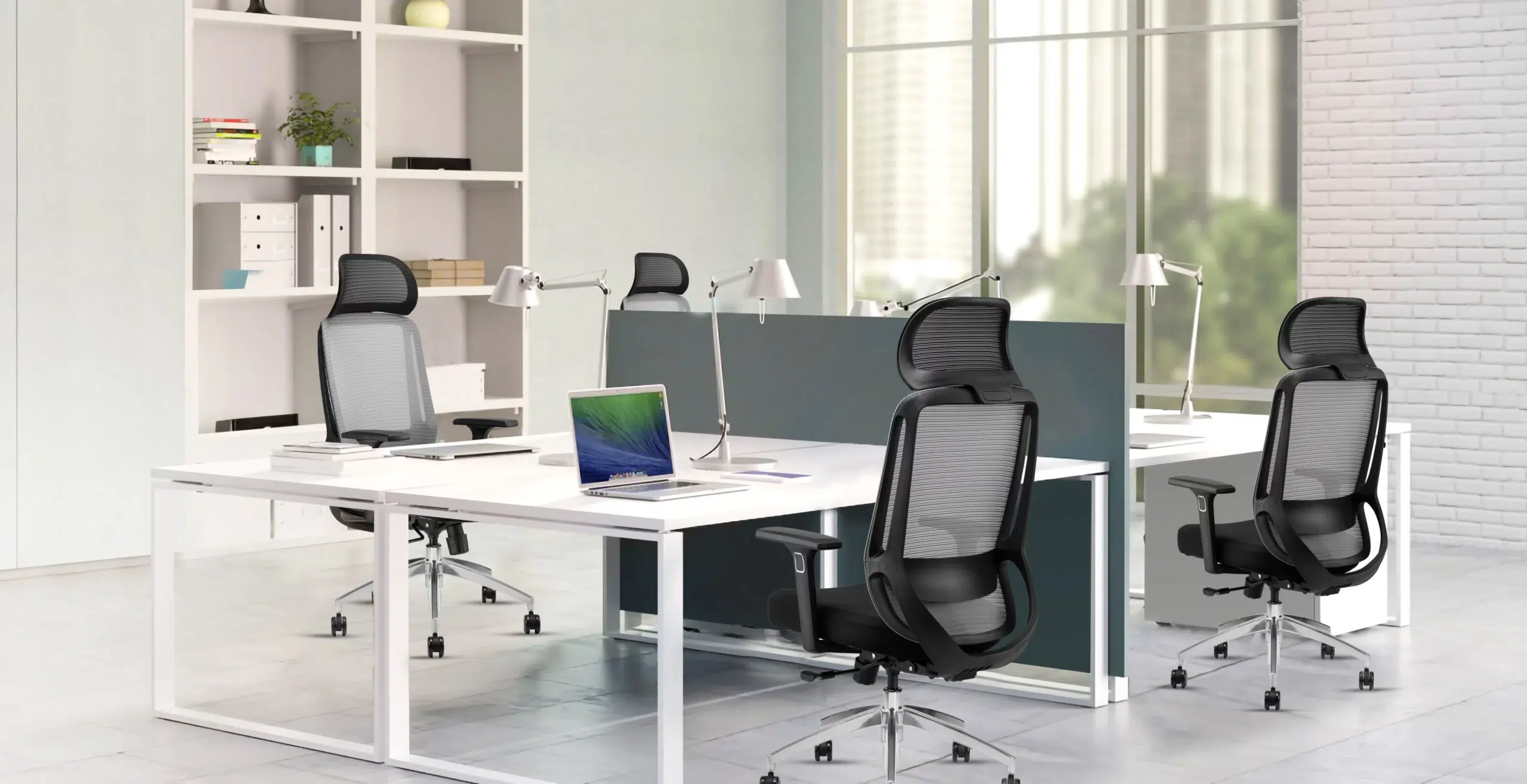
Workstation tables are modern office furniture solutions designed for collaborative and flexible work environments. Unlike traditional desks, which are often single-use and fixed, workstation tables are modular, allowing for multiple configurations to suit varying office layouts. They are commonly used in open-plan offices, co-working spaces, and creative studios, where teamwork and interaction are essential.
Some key features of workstation tables include:
- Modular Design – Workstation tables can be arranged to create clusters, rows, or even private pods, depending on the office layout.
- Space Efficiency – By accommodating multiple employees at a single table, they maximise floor space and reduce clutter.
- Integrated Solutions – Many workstation tables come with built-in cable management, storage units, and ergonomic considerations, making them highly functional.
- Collaborative Focus – The open design encourages team interaction and spontaneous discussions, enhancing creativity and workflow.
Traditional Desks: Timeless and Reliable
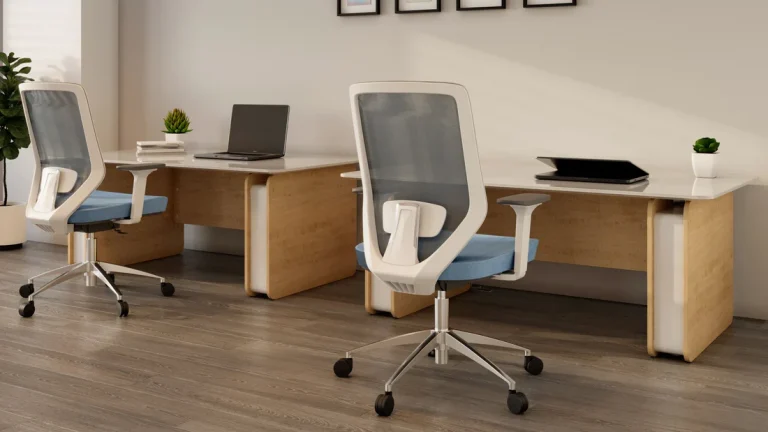
Traditional desks have been the cornerstone of office furniture for decades. They are typically designed for individual use and are ideal for offices where privacy, focused work, or managerial oversight is a priority.
Key characteristics of traditional desks include:
- Personal Space – Each desk is dedicated to one person, offering ample personal space and storage.
- Classic Design – Traditional desks come in various styles, from executive wooden desks to minimalist modern designs, fitting a wide range of office aesthetics.
- Privacy – High-backed panels or partitions provide a degree of privacy, which is ideal for tasks requiring concentration or confidentiality.
- Stability and Durability – These desks are generally sturdy, offering a solid surface for computers, paperwork, and office equipment.
Comparing Workstation Tables and Traditional Desks
When deciding between workstation tables and traditional desks, several factors need to be considered:
1. Office Layout
Open-plan offices benefit significantly from workstation tables. They allow flexible seating arrangements and encourage communication between team members. Conversely, traditional desks are better suited for offices with segmented workspaces or private offices, where employees require personal space for focused work.
2. Team Collaboration
If your office culture emphasises teamwork, brainstorming sessions, and collaborative projects, workstation tables are the superior choice. Their design promotes engagement and interaction. Traditional desks, however, support independent work, making them ideal for roles that demand minimal interruptions.
3. Space and Flexibility
Workstation tables offer exceptional adaptability. Modular units can be reconfigured to accommodate growth or changes in team structure. Traditional desks, while elegant and durable, are less flexible and often occupy more space per employee.
4. Ergonomics and Comfort
Both options can support ergonomic office setups, but workstation tables often come with adjustable features such as height variations, monitor stands, and integrated cable management, promoting better posture and reducing strain. Traditional desks may require additional ergonomic accessories, like adjustable chairs or monitor arms, to achieve the same level of comfort.
5. Cost Considerations
The cost of furniture is always a factor. Workstation tables can be cost-effective for large teams since they optimise space and reduce the need for separate desks. Traditional desks might be more expensive per unit, especially for premium designs, but they provide long-term durability and a professional aesthetic that some offices prefer.
Making the Right Choice
Selecting the best office furniture depends on your workspace requirements, team size, and company culture. Consider these tips:
- Assess Your Team’s Work Style – Collaborative teams thrive with workstation tables, while individual-focused roles do better with traditional desks.
- Measure Your Space – Ensure your furniture choice aligns with your office’s dimensions and layout.
- Plan for Growth – Modular workstation tables provide flexibility if your team is expected to expand.
- Prioritise Comfort – Invest in ergonomic solutions to enhance employee wellbeing and productivity.
- Budget Wisely – Balance upfront costs with long-term usability and maintenance.
Conclusion
Both workstation tables and traditional desks have distinct advantages, and the right choice ultimately depends on your office’s specific needs. Workstation tables are ideal for collaborative, modern workspaces seeking flexibility and interaction, while traditional desks remain a reliable option for focused, individual work.
By carefully evaluating your team’s workflow, office layout, and future growth plans, you can select furniture that not only improves productivity but also creates a comfortable and stylish work environment.
For offices in Malaysia looking for high-quality office tables, brands like Zenpro offer a wide range of workstation tables and traditional desks designed to meet both functional and aesthetic demands. Choosing the right office furniture ensures a productive, organised, and engaging workspace that supports your business objectives.