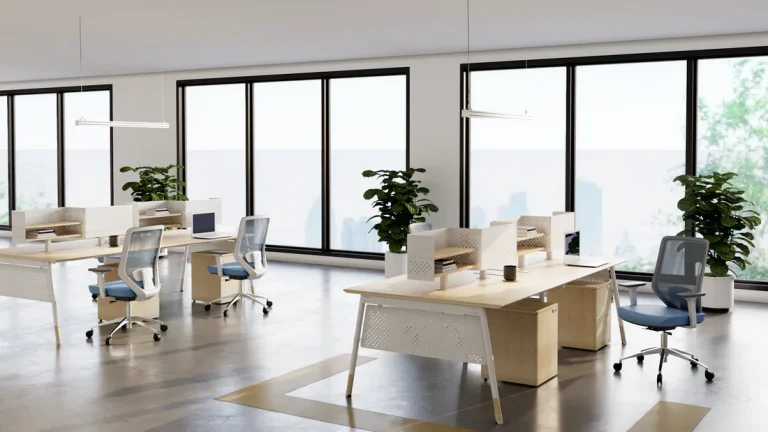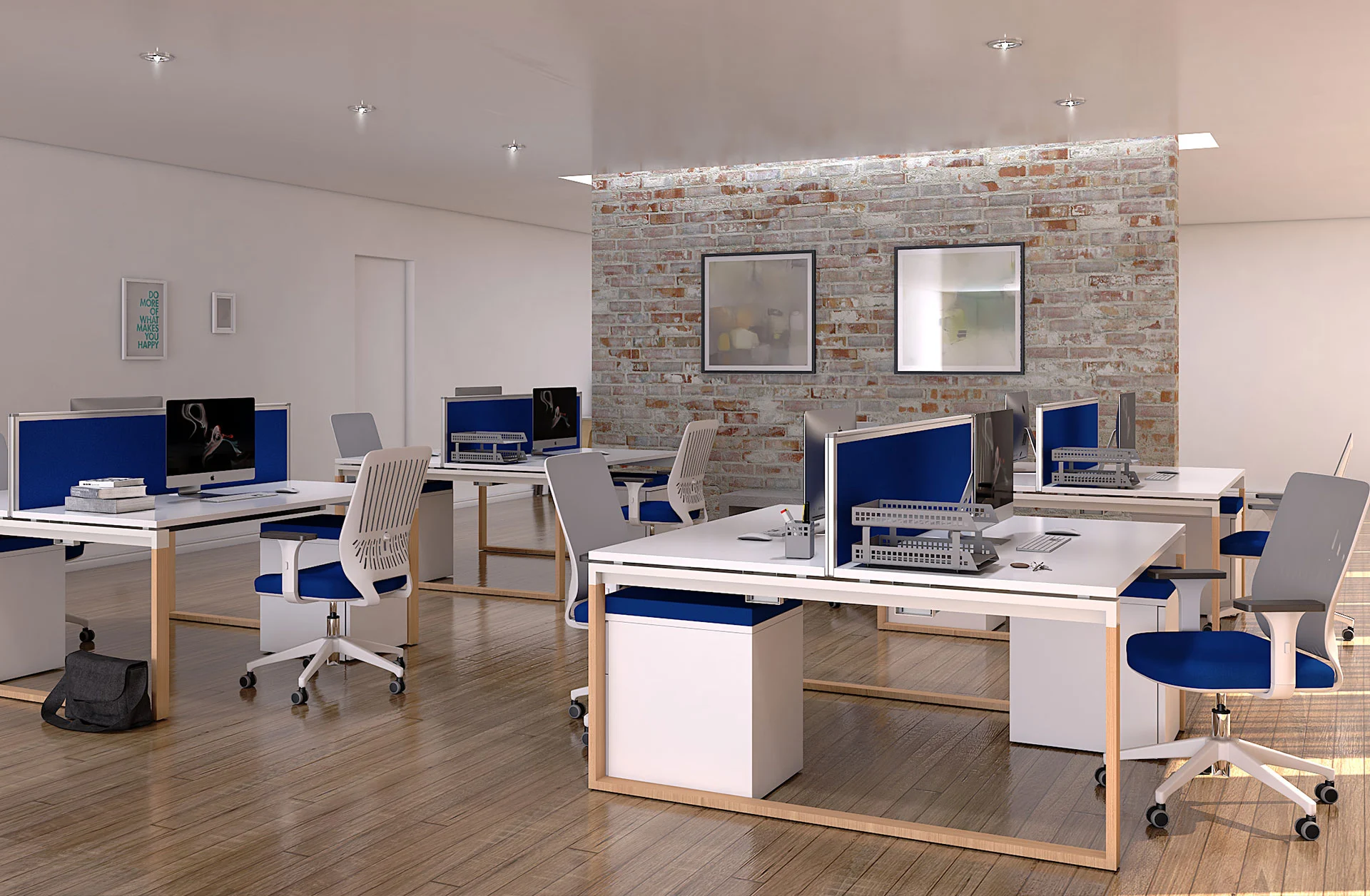
In today’s fast-evolving corporate environment, the traditional office layout is shifting towards more flexible and collaborative workspaces. Open-plan offices and co-working environments are becoming increasingly popular as companies strive to foster creativity, communication, and productivity among employees. One of the key elements that can make or break a collaborative workspace is the choice of office tables. Selecting the right office tables not only enhances the functionality of a workspace but also contributes significantly to employee satisfaction and efficiency.
Understanding Collaborative Workspaces
A collaborative workspace is designed to encourage teamwork, knowledge sharing, and dynamic interaction. Unlike conventional offices with fixed desks, collaborative spaces are flexible, allowing employees to work in teams or individually, depending on the task. This flexibility is crucial for organisations that prioritise innovation and fast problem-solving.
When designing such spaces, it’s essential to choose office tables that complement the layout and promote easy communication. The right tables can support diverse working styles while maintaining an organised and aesthetically pleasing environment.
Key Considerations When Choosing Office Tables
1. Functionality and Flexibility
Collaborative workspaces often involve different types of activities, from brainstorming sessions to focused solo work. Adjustable or modular office tables are ideal in such scenarios. Modular tables can be rearranged quickly to accommodate various team sizes and meeting formats, ensuring that the workspace remains adaptable to changing needs. Height-adjustable tables, on the other hand, allow employees to alternate between sitting and standing, promoting comfort and healthier work habits.
2. Size and Shape
The size and shape of office tables play a critical role in maximising space without causing clutter. Rectangular tables are excellent for structured meetings, while round or oval tables encourage open discussion and a sense of equality among team members. L-shaped or corner tables can help define individual work zones within a larger collaborative area, providing a subtle balance between privacy and teamwork.
When planning table arrangements, consider traffic flow, accessibility, and the ease of movement for employees and office equipment. Tables that are too large can create congestion, while too small tables may limit functionality and reduce comfort.
3. Material and Durability
Durable office tables are a must in collaborative workspaces, where frequent use and movement are expected. Materials such as laminated wood, steel, or high-quality MDF are popular choices, as they withstand daily wear and tear while remaining easy to clean. For a modern aesthetic, glass-topped tables can create a sense of openness, but they require more maintenance and may not be ideal for high-traffic areas.
The table material should also complement the overall interior design of the office, creating a cohesive look that enhances the workplace atmosphere.
4. Integration with Technology
Modern collaborative workspaces rely heavily on technology, from laptops to video conferencing tools. Tables with built-in cable management systems, power outlets, and USB ports help maintain a clutter-free workspace and ensure that technology is seamlessly integrated. This feature is especially important in co-working environments, where multiple users may need to connect their devices simultaneously.
5. Comfort and Ergonomics
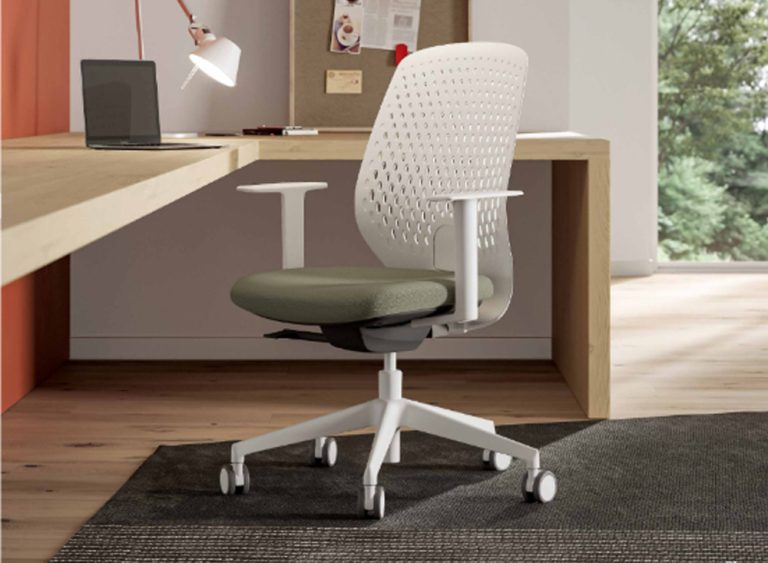
Employee comfort is paramount in collaborative settings, as it directly impacts productivity. Office tables should be designed with ergonomics in mind, providing adequate legroom, adjustable height options, and compatibility with ergonomic chairs. Tables that are too high or too low can lead to discomfort, affecting concentration and performance over time.
6. Aesthetic Appeal
While functionality is crucial, the visual appeal of office tables cannot be overlooked. Stylish tables contribute to a welcoming and inspiring environment, which can enhance employee morale. Colours, finishes, and design styles should align with the company’s branding and office theme, creating a harmonious workspace that reflects the organisation’s culture.
Popular Office Table Types for Collaborative Spaces
Several types of office tables are particularly suited for collaborative environments:
- Bench Desks: Ideal for open-plan offices, allowing multiple employees to work side by side.
- Round Tables: Encourage discussion and teamwork, perfect for meeting areas.
- Height-Adjustable Desks: Provide flexibility for standing or sitting work.
- Modular Tables: Can be easily reconfigured to accommodate different team sizes.
- Mobile Desks: Equipped with wheels, these tables can be moved quickly for impromptu collaborations.
Tips for Maximising Efficiency
When selecting office tables for collaborative workspaces, it’s important to consider the overall layout. Group tables in clusters to facilitate teamwork, but also ensure there are quieter zones for focused work. Incorporating storage solutions, such as under-desk drawers or shared cabinets, helps maintain a tidy workspace. Finally, regularly review and update the office furniture to keep up with evolving workspace requirements and employee needs.
Conclusion
Choosing the right office tables is a vital component of designing effective collaborative workspaces. By prioritising functionality, flexibility, ergonomics, and aesthetics, organisations can create environments that encourage teamwork, boost productivity, and enhance employee satisfaction. Whether opting for modular tables, bench desks, or height-adjustable options, investing in quality office furniture ensures that your collaborative workspace meets the demands of a modern, dynamic workforce.
A well-planned workspace with the right office tables not only supports daily operations but also reflects a company’s commitment to innovation, employee well-being, and long-term growth.