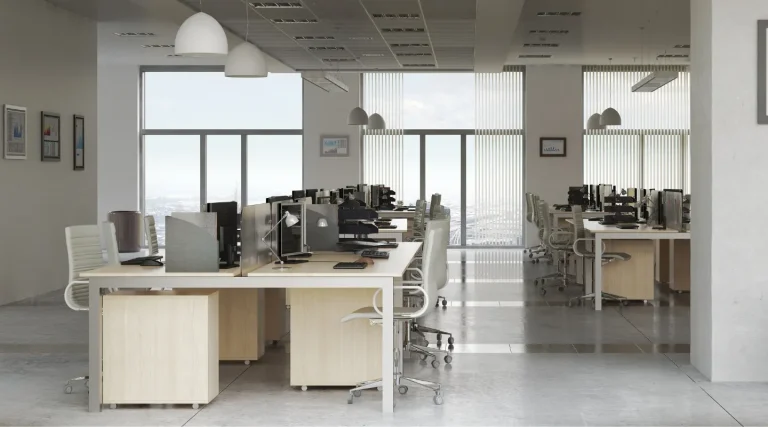
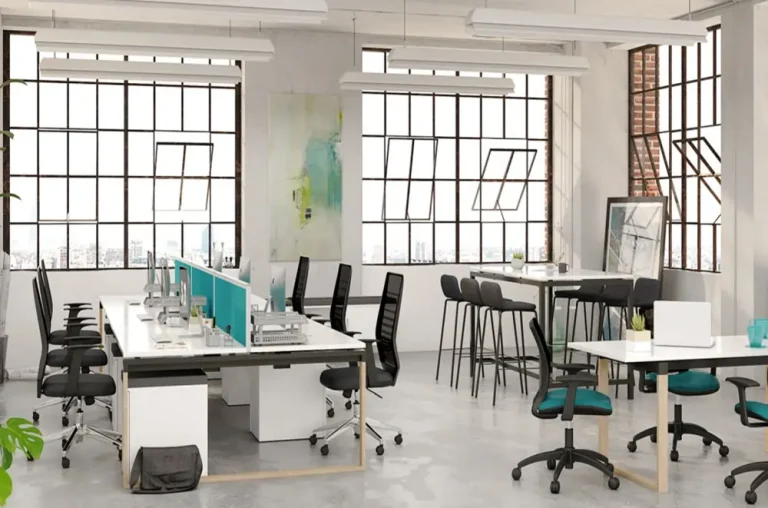
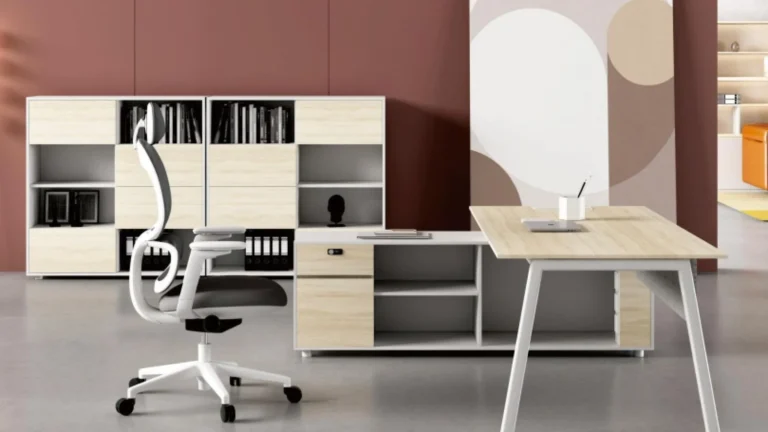
The need for an ergonomic office table is not just a want — it is a necessity for many individuals in today’s fast-paced work environment. While some work from home, others work in large corporations. Regardless of whether one works from home or is employed in a large corporation, having the right desk set up will greatly help with comfort, productivity, and overall wellness.
What is an Ergonomic Office Table?
There are many types of ergonomic office tables available; however, the primary purpose of an ergonomic office table is to help maintain a person’s natural posture while helping to alleviate physical strain over time due to prolonged sitting. Unlike traditional desks, ergonomic office tables were developed with the needs of the individual worker in mind and include features such as adjustable height capabilities, expansive space, and creative design ideas that assist the user in maintaining his or her natural alignment.
To achieve a neutral posture means that the spine remains straight (aligned), the shoulders remain relaxed, and the wrists remain in a comfortable position while typing or writing. The use of an ergonomic desk can greatly reduce strain placed upon the neck, back, and shoulders, which are typically areas of concern for many office workers.
Why Ergonomics Matters in the Workplace
While there are numerous reasons why ergonomics matters within the workplace, it is primarily because spending extended periods of time at a poorly constructed desk can cause a number of serious health-related issues, including back pain, poor circulation, eye strain, and repetitive motion injuries. These issues may affect an individual’s productivity and job satisfaction over time.
However, an ergonomic office desk can help eliminate or diminish these concerns by promoting movement and providing an appropriate amount of support for the user to assume an upright posture. Additionally, when used in conjunction with an ergonomic chair and proper placement of a monitor, an ergonomic desk provides an individual with a safe and supportive place to work.
Businesses are increasingly recognising that employee well-being directly impacts performance. A comfortable workspace leads to fewer sick days, improved focus, and higher efficiency..
Key Features of an Ergonomic Office Table
There are five key features to look for in an ergonomic office table:
1. Adjustable Height
Height-adjustable tables are very useful as they enable users to alternate between sitting and standing throughout the day. Alternating between sitting and standing helps to mitigate the negative effects associated with prolonged sitting and promotes blood flow throughout the body.
2. Large Workspace Area
An ergonomic desk should have sufficient room for all necessary items such as a computer, keyboard, papers, etc. Cluttered spaces lead to distractions and stress.
3. Integrated Cable Management Systems
Many modern office spaces include multiple electronic devices. Integrated cable management systems assist with keeping cords organized and clutter-free, resulting in a clean and safe workspace.
4. Stability and Durability
Regardless of what adjustments a user makes to their desk, it must be able to support those changes without compromising its ability to perform properly. An ergonomic office table must be solidly constructed and durable.
5. Correct Depth and Width
An ergonomic desk must be deep enough to allow for adequate visual distance from a monitor and wide enough to comfortably hold everything needed to complete tasks without feeling crowded.
Benefits of Using an Ergonomic Office Table
Improved Posture and Reduced Pain
Firstly, an ergonomic office desk can relieve strain on the user’s back and shoulders by assisting them in assuming an upright posture. In turn, this reduces the likelihood of developing chronic pain.
Boost Your Productivity
Comfort has a direct effect on one’s level of productivity. When an employee is not burdened by discomfort or pain, he/she is able to concentrate better and accomplish their task(s) faster.
Increase Energy
Switching between sitting and standing helps to reduce fatigue throughout the course of the day. This is especially helpful for individuals who regularly work extended hours.
Reduce Stress
Working in an environment that is free of distractions and conducive to comfort will lower one’s stress levels. Working in such an atmosphere also increases motivation.
Health Impacts Long-Term
Buying ergonomic furniture is investing in one’s health. Investing in an ergonomic office desk can help protect against future development of chronic pain, poor circulation, and repetitive strain injuries.
Home vs. Business Ergonomic Desk
As hybrid and remote work models continue to expand across industries, ergonomic desks are becoming essential to both home-based and business-based offices. For those who work out of their homes (typically) in smaller spaces, compact ergonomic desks with adjustable features can offer ample support.
For businesses, incorporating ergonomic workspaces into their overall work plan will help create a positive company culture that prioritizes employee health. Businesses are beginning to develop strategies related to ergonomics as part of their overall workspace planning.
Choosing the Best Ergonomic Office Table
Before making a purchase based on your needs and budgetary constraints consider your typical daily activities that take place at your desk. Do you spend many hours at your desk? If so, consider purchasing a sit-stand desk. Are you using multiple screens or other equipment? Consider a larger desktop area.
Also, make sure that your new desk is made from high-quality components. Examples of high-quality components include steel frames and high-end laminate surfaces. All things considered, test drive your new desk before taking delivery if possible. Ensure that your new desk allows you to achieve your desired level of comfort and supports your posture correctly.
Conclusions
Ergonomic office tables serve as essential components of modern workplaces that foster healthy working conditions. They provide proper support for body postures, minimize physical discomforts, and promote optimal working performance.
Regardless of whether your use an ergonomic office table for personal or professional purposes, it represents a worthwhile investment in terms of maintaining overall health, focus and productivity.