There has been an obvious surge in the development of sustainable design and contemporary design within malaysia’s corporate world specifically with regards to office interior design. Companies are now looking to develop workspaces that are environmentally friendly and aesthetically pleasing. Consequently, there has been a significant increase in the demand for sustainable office furniture in Malaysia. Within this article, we examine the major trends which have influenced office furniture selection in Malaysia and assist organizations to meet their sustainability goals while maintaining design and functionality.
Embracing Sustainability in Office Furniture
Environmental considerations are now at the forefront of mind for most Malaysian companies when selecting furniture that reflects their company’s environmental ethos. Many companies are currently using furniture that has been produced using responsible sources including renewable or recycled materials. The adoption of sustainable designs in furniture not only supports a company’s branding but it is part of a larger effort globally to decrease waste and carbon footprint.
One of the leading trends today is the use of reclaimed wood in desks, tables and storage areas. Using reclaimed wood as an alternative to traditionally used wood provides a distinctive appearance and decreases the demand for virgin forests, thus providing an eco-friendly option. Recycled plastics and metals are becoming widely accepted as well; they are predominantly being used in ergonomic chairs and modular systems.
The Rise of Modular and Flexible Office Solutions
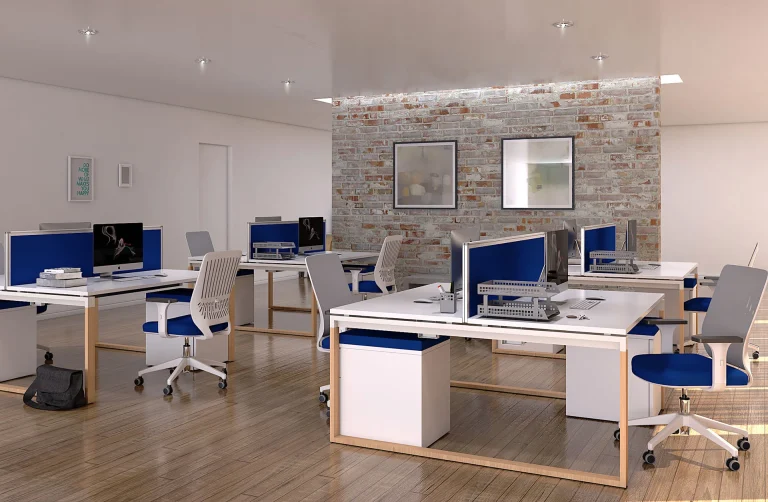
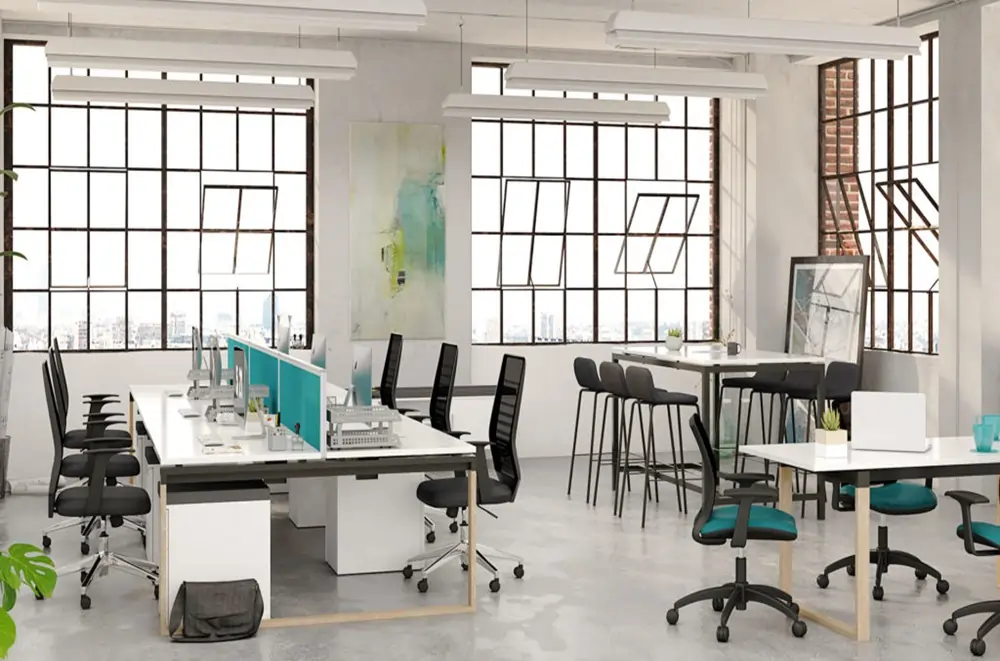
Malaysian workplaces are now trending away from fixed static One-size-fits-all type of workspace configurations. Modular & flexible furniture are emerging as a result of their ability to be reconfigured to suit the changing requirements of business operations, ranging from shared collaboration spaces to private workstation areas.
Additionally, because modular furniture is capable of being reused rather than replaced, it increases the lifespan of the overall workplace. By not replacing items and instead repurposing them, companies will ultimately reduce waste and delays associated with purchasing new items. This fits perfectly into the corporate push toward developing circular economy models.
Ergonomic Design Meets Contemporary Aesthetics
Workplace wellness is an increasing concern for Malaysian employers and office furniture has an important role to play in enhancing employees’ comfort levels and improving productivity. Ergonomic chairs, adjustable desks and supporting accessories are no longer considered options however they are now mandatory.
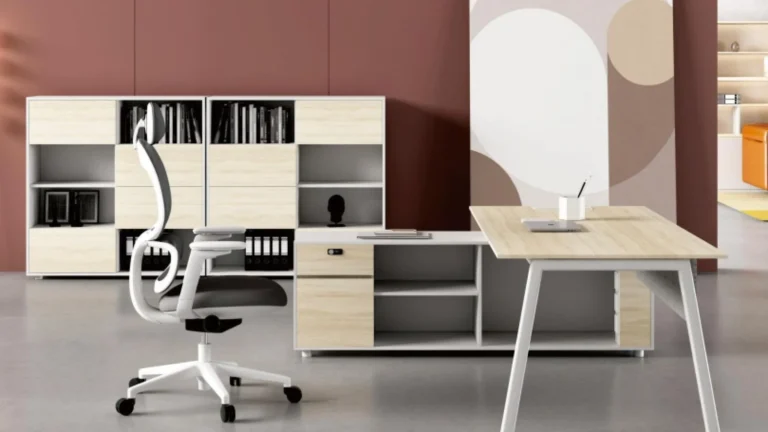
However, ergonomic design does not necessarily mean sacrificing style. Local Malaysian designers and office furniture suppliers are now producing furniture that balances ergonomics with modern styles. Common characteristics among these modern designed pieces include sleek profiles, minimalistic shapes, and neutral color schemes which enables modern styled workspaces to appear visually cohesive.
Biophilic Design: Bringing Nature Indoors
Biophilic design (incorporating natural elements into interior spaces) has recently developed into a very popular trend in Malaysian Offices. Biophilic design enables occupants to connect with nature through various mediums including materials, texture and plants; subsequently enhancing occupants well-being. Office furniture manufactured utilizing natural fibers such as rattan, bamboo and cork have been particularly popular.
Natural fiber-based furniture has provided opportunities for companies to incorporate additional biophilic design features in their workplaces. Some examples include integrating plants directly into desk stations, creating living walls or installing planters into storage units. Both of these elements will help to create healthier internal environments and support employee creativity and job satisfaction.
Smart Furniture for Hybrid Work Environments
The future of work in Malaysia is undoubtedly hybrid. Due to the widespread adoption of flexible working arrangements by many companies, office furniture must accommodate differing usage patterns. Smart furniture solutions are available to cater to individuals’ varying preferences and technological needs. Examples include desks equipped with built-in electrical outlet(s), USB charging ports, tables with built-in connectivity modules and ergonomic chairs featuring adjustable lumbar support that may be customized. Smart furniture enhances worker productivity and accommodates the ever-changing aspects of modern work thereby contributing to why smart furniture has become a highly sought-after trend in Malaysia’s rapidly evolving workplace environments.
Sustainable Certifications and Credibility
As awareness regarding green practices continue to expand, Malaysian companies are placing greater emphasis on obtaining third-party certifications for sustainable office furniture. The Forest Stewardship Council (FSC) certification program allows consumers to identify whether wood-based products were produced sustainably. Additionally, Cradle to Cradle certification programs verify the recyclable attributes of product materials post-use.
Obtaining certification for sustainable products not only validates your company’s sustainability claims but also verifies the durability of your products which equates to long-term financial savings for your organization.
Colour Trends and Materials in Malaysian Offices
Although sustainable materials represent a large portion of what is utilized in office interior design throughout Malaysia, office interior design trends have begun to take shape based upon current colors schemes and materials. Earthy toned colors such as muted greens, warm grays, and soft browns comprise the majority of design themes; earthy tones tend to promote feelings of calmness, productivity and connections with nature.
Matte metal finishes, tempered glass, and textured timbers offer depth and visual contrast to office space interiors. Woven textiles and acoustic paneling are commonly incorporated as complementary elements to soften the space while emphasizing the visual appeal of the contrasting elements.
Local Craftsmanship: Supporting Malaysian Makers
An additional trend beginning to gain momentum is an appreciation for locally crafted items. Malaysian designers and manufacturers who specialize in custom-made furniture products are designing unique pieces that showcase regional artisanal skills along with sustainable manufacturing processes. Supporting local businesses not only assists with the reduction of greenhouse gas emissions caused by international shipping; it also creates jobs domestically. Many Malaysian corporations are now partnering with local craftsmen to produce uniquely branded office furniture that tell a story about where you operate, establishes a strong sense of identity for your company, and supports community development initiatives.
Conclusion: Future‑Ready Office Furniture in Malaysia
Developing sustainable practices and incorporating contemporary design in office furniture has evolved beyond simply being a trend — it signifies a fundamental shift in how Malaysian corporations perceive workspaces. From eco-friendly raw materials to modular furniture systems; from ergonomic solutions to advanced technologies — all of the trends currently present in Malaysia demonstrate an organizational philosophy that recognizes people, planet, and results.
Given the continued growth of demand for sustainable office furniture that also maintains a high level of style in Malaysia, organizations that prioritize these trends will create workspaces that function well and support their corporation’s sustainability and employee wellness objectives.