Modern office design in Malaysia is evolving rapidly, driven by hybrid work culture, employee wellbeing, and the need for flexible, future-ready workspaces. Businesses are no longer focused solely on aesthetics; instead, they are prioritising functionality, adaptability, and productivity. From innovative workstations to multi-purpose tables and dynamic layouts, Malaysian offices are transforming into smarter, more efficient environments that support diverse work styles.
In this article, we explore the latest trends shaping modern office design in Malaysia, with a focus on workstations, tables, and layouts.
The Shift Towards Flexible Workstations
One of the most significant trends in modern office design in Malaysia is the move towards flexible workstations. Traditional fixed desks are becoming obsolete as companies adopt hybrid working models and project-based team structures.
Flexible workstations are designed to be easily reconfigured, allowing businesses to adapt quickly to changing workforce needs. Modular desk systems, movable partitions, and shared workspaces are now widely used across Malaysian offices. These systems enable companies to scale operations, rearrange teams, and optimise space without costly renovations.
Hot-desking is also gaining popularity, where employees do not have assigned desks but instead choose a workspace based on their daily tasks. This approach maximises space efficiency and supports collaboration.
At the same time, modern cubicles are making a comeback. Unlike the enclosed cubicles of the past, today’s versions are open, stylish, and customisable, offering a balance between privacy and teamwork.
Ergonomic Workstations for Employee Wellbeing
Employee wellbeing is at the heart of modern office design trends in Malaysia. Companies are investing in ergonomic workstations to improve comfort, reduce fatigue, and boost productivity.
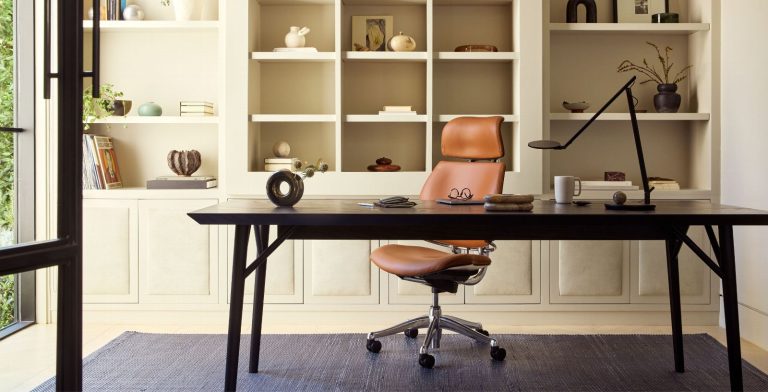
Height-adjustable desks, ergonomic chairs, and posture-supportive accessories are becoming standard features in Malaysian offices. Sit-stand desks, in particular, allow employees to alternate between sitting and standing, promoting better health and energy levels throughout the day.
Ergonomic design is no longer seen as a luxury but a necessity. Businesses recognise that comfortable employees are more focused, engaged, and productive. This trend is especially important in Malaysia, where long working hours are common.
Multi-Functional Office Tables
Office tables are no longer limited to basic desks. In modern Malaysian offices, tables are designed to serve multiple purposes, supporting both individual work and collaboration.
Collaborative tables are increasingly used in open-plan areas to encourage teamwork and brainstorming sessions. These tables are often paired with flexible seating arrangements, allowing teams to gather quickly and work efficiently.
Foldable and modular tables are also trending, as they can be easily moved and reconfigured for meetings, training sessions, or events. This flexibility ensures that office spaces can adapt to different functions throughout the day.
In addition, smart tables with built-in charging ports, cable management systems, and integrated technology are becoming more common. These features support seamless connectivity and enhance the overall work experience.
Open-Plan and Hybrid Office Layouts
Modern office layouts in Malaysia are shifting away from rigid structures towards open and hybrid designs. Open-plan offices promote collaboration, communication, and a sense of community among employees.
However, fully open spaces can sometimes lead to noise and distractions. To address this, many Malaysian companies are adopting hybrid layouts that combine open areas with private zones.
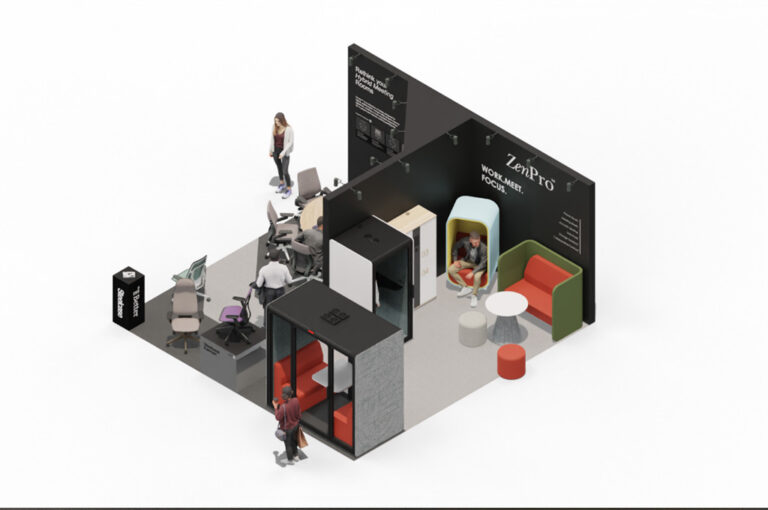
These layouts typically include:
- Open workspaces for collaboration
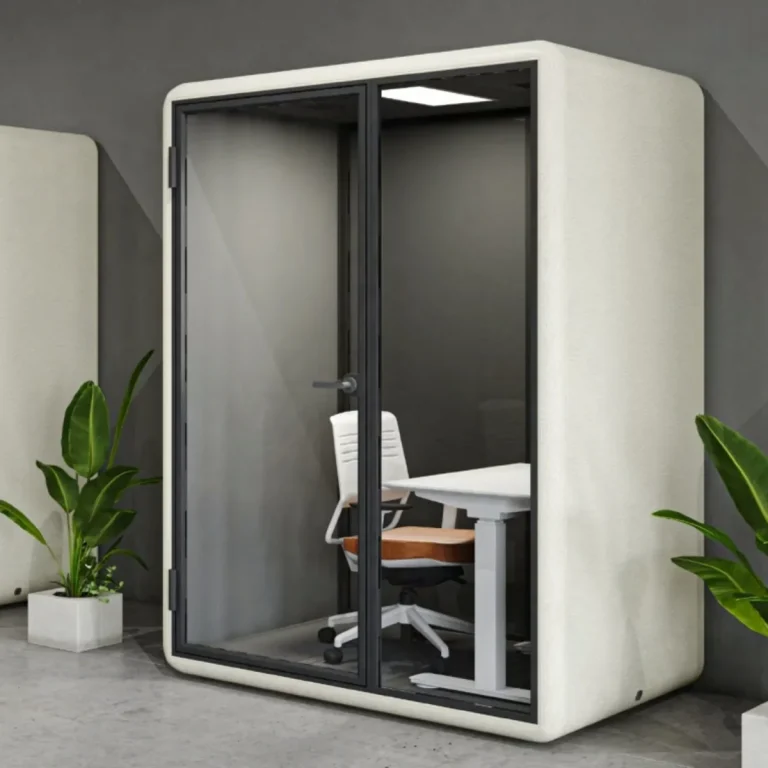
- Quiet zones or pods for focused work
- Meeting rooms for discussions and presentations
- Lounge areas for informal interactions
This combination ensures that employees have access to different environments based on their tasks and preferences.
Modular and Agile Office Layouts
Flexibility is a key theme in modern office design trends in Malaysia. Modular and agile layouts allow businesses to adapt their spaces quickly and efficiently.
Instead of fixed floor plans, companies are using movable furniture, partitions, and adaptable layouts that can be reconfigured within hours. This approach is particularly useful for growing businesses and organisations with changing team sizes.
Agile layouts also support multi-purpose spaces, where a single area can be used for meetings, collaboration, or individual work. This maximises the use of office space and reduces the need for additional rooms.
Technology-Integrated Workspaces
Technology is playing a crucial role in shaping modern office design in Malaysia. Smart workstations and tables are equipped with features such as wireless charging, integrated power outlets, and IoT connectivity.
These tech-enabled solutions improve efficiency and ensure that employees can work seamlessly without interruptions. Smart lighting, video conferencing systems, and digital collaboration tools are also becoming essential components of modern office layouts.
As businesses in Malaysia continue to embrace digital transformation, the integration of technology into office design will only become more important.
Sustainable and Human-Centric Design
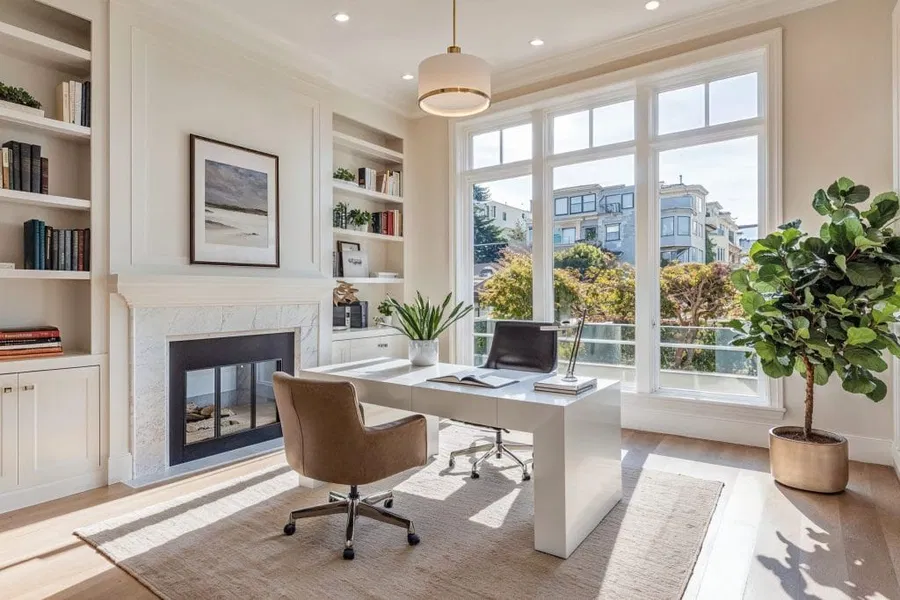
Sustainability and employee wellbeing are increasingly influencing office design decisions in Malaysia. Companies are opting for eco-friendly materials, energy-efficient lighting, and biophilic design elements such as plants and natural lighting.
These features not only reduce environmental impact but also create a healthier and more pleasant working environment. Studies show that well-designed offices can improve employee satisfaction, creativity, and overall performance.
Conclusion
Modern office design trends in Malaysia are centred around flexibility, functionality, and employee wellbeing. From ergonomic workstations and multi-functional tables to hybrid layouts and smart technology, today’s offices are designed to support the evolving needs of the workforce.
As businesses continue to adapt to new ways of working, investing in modern office design is no longer optional—it is a strategic decision that can enhance productivity, attract talent, and future-proof operations.
By embracing these trends, Malaysian companies can create workspaces that are not only visually appealing but also efficient, adaptable, and ready for the future.